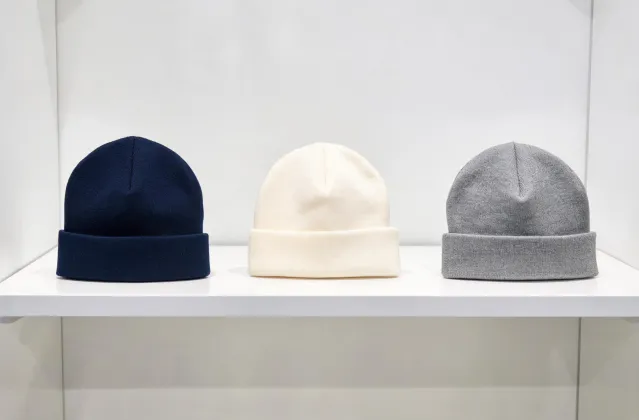
Retail shelf: control the color assortment
For a store or ecommerce assortment, start with adult or youth sizing, fiber composition and quantity per color. Specify retail labels, barcode responsibilities and whether individual bags are needed. Ask whether repeat orders can use the same yarn reference; do not assume different lots will match an approved sample automatically.
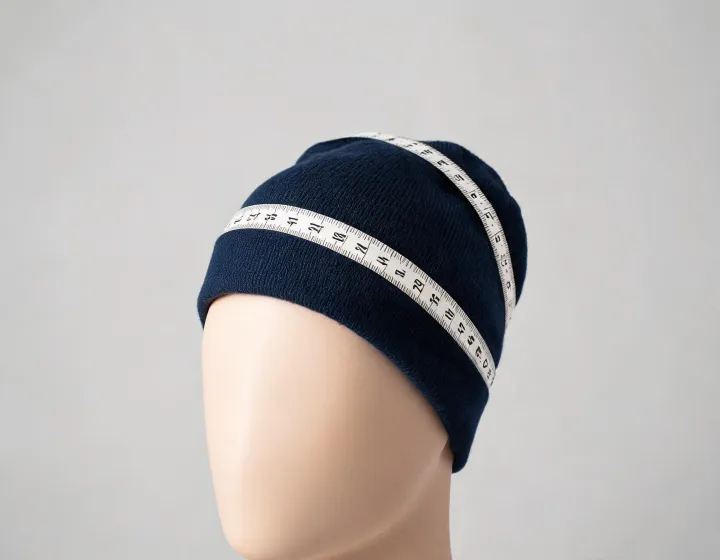
- Record relaxed measurements in cm or in, with the measuring condition.
- Separate piece count from carton count and state the pack ratio.
- Request carton dimensions and assortment labels before comparing freight.
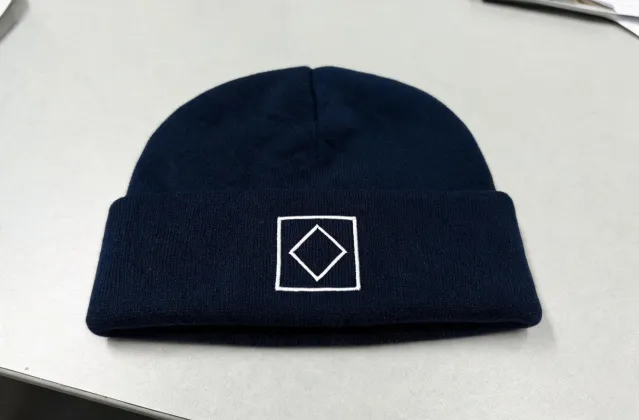
Club collection: approve the mark in use
For team purchasing, a large embroidered area may stiffen a soft cuff or reduce stretch. A woven patch can separate fine detail from the knit, while embroidery can integrate a simpler mark directly. Neither route is automatically preferable: compare artwork readability, surface feel, placement, setup cost and sample appearance on the proposed construction.
- Give logo width, height and cuff placement rather than a general “front logo.”
- Ask for a decorated sample from the quoted yarn and knit.
- Approve artwork rights and revision before production discussion.
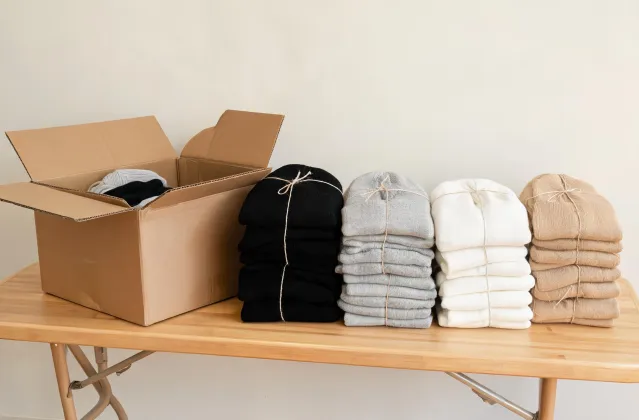
Event distribution: work backward from receiving
A program may need bundles by location rather than retail-ready packs. Define pieces per bundle, destination split and receiving access. Discuss target timing after allowing for proof review and sample approval; a required event date does not establish a production slot or transport commitment.
- Describe the wearer group and expected use, without assuming thermal performance.
- Identify delivery address type, carton handling and any distribution instructions.
- Keep contingency decisions visible if samples or artwork change.